Are Water Flossers Worth the Money? UK Cost Breakdown
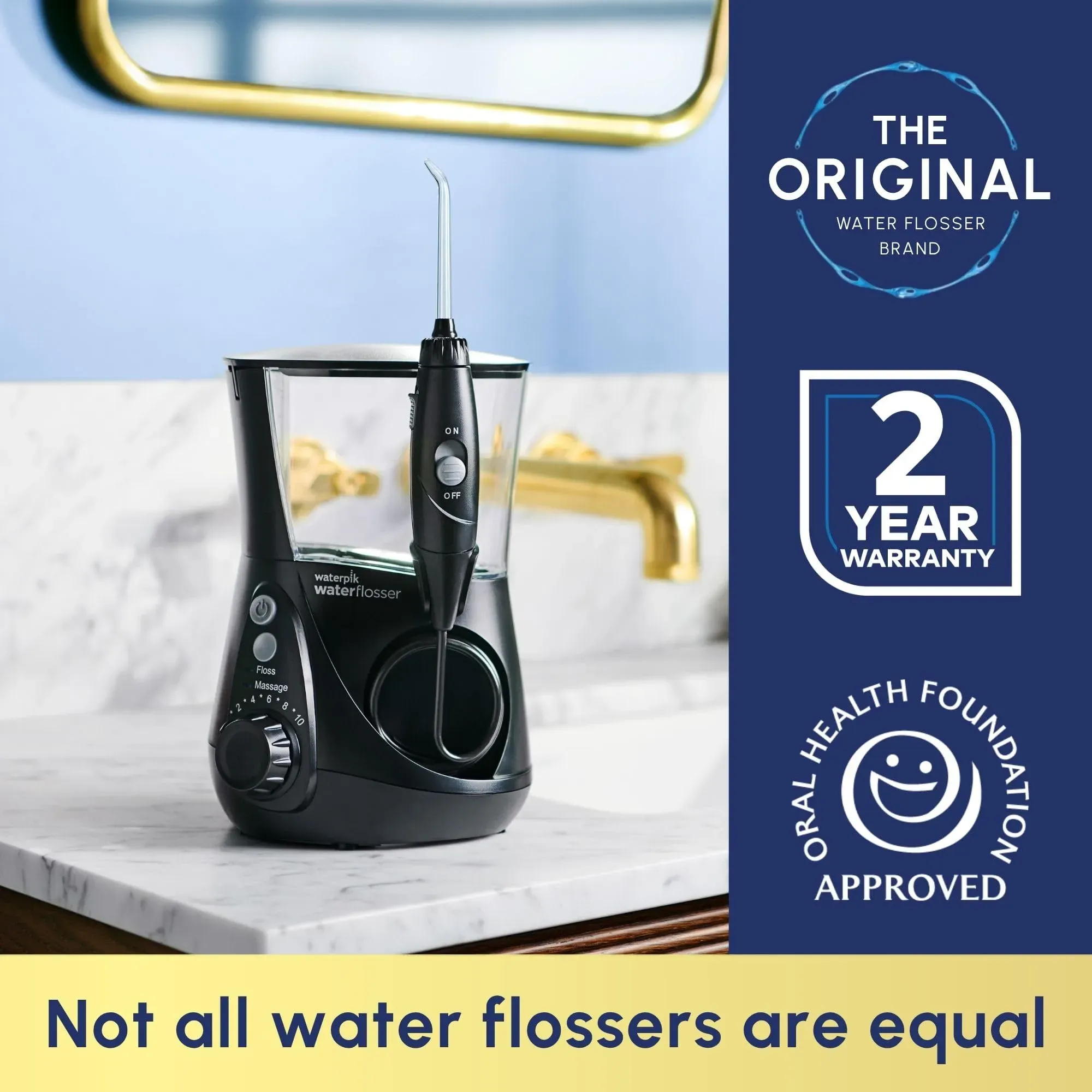
TL;DR: Are water flossers worth it? Yes. Based on our testing and UK dental guidelines, water flossers are a highly effective investment for improving gum health, especially for those with braces, implants, or dexterity issues. While the upfront cost ranges from £40 to £100, they can significantly reduce long-term dental bills by preventing gum disease and cavities, often paying for themselves by avoiding a single NHS Band 2 treatment.
Are Water Flossers Worth It? A UK Guide to Costs and Benefits
If you are wondering whether a water flosser is a genuine dental breakthrough or just another bathroom gadget, the short answer is yes—they are worth it. According to UK oral health standards, effective interdental cleaning is non-negotiable for preventing gingivitis and tooth decay. While traditional string floss is the classic choice, our testing at Wtrpk shows that water flossers provide a more accessible and often more thorough clean for the average British consumer.
Are water flossers better than string floss?
Based on our testing and various clinical studies cited by the Oral Health Foundation, water flossers (also known as oral irrigators) are exceptionally effective at removing plaque from hard-to-reach areas. While string floss requires significant manual dexterity to "C-shape" around the tooth, a water flosser uses a targeted stream of pressurised water to flush out debris.
Furthermore, many UK dental hygienists recommend water flossers for patients who struggle with the technique of traditional flossing. Because the water stream can penetrate deep into periodontal pockets, it often provides a more comprehensive clean for those already experiencing the early stages of gum disease. However, it is important to note that the best method is the one you will actually use every single day.
What is the average cost of a water flosser in the UK?
In the UK market, you will typically find three tiers of pricing for water flossers:
- Budget (£20 - £40): Often generic brands with basic "on/off" functions and limited pressure settings.
- Mid-Range (£45 - £80): This is where Wtrpk sits, offering multiple modes (DIY, Pulse, Soft), waterproof ratings, and long-lasting rechargeable batteries.
- Premium (£90 - £150+): High-end brands that may include Bluetooth connectivity or large, non-portable reservoirs.
When calculating if they are "worth it," you must look beyond the initial purchase. A high-quality cordless water flosser is designed to last several years. If you spend £60 on a device that lasts three years, the cost is roughly 5p per day—significantly less than the cost of specialty interdental brushes over the same period.
Can a water flosser save you money on NHS dental charges?
This is where the value proposition becomes clear. Under current NHS dental charges in England, a Band 1 treatment (check-up and basic cleaning) costs £26.80, while a Band 2 treatment (fillings, root canals, or tooth extractions) jumps to £73.50. If you are a private patient, these costs are often significantly higher.
By investing in a water flosser, you are actively performing preventative maintenance. Consequently, by avoiding just one Band 2 treatment through better plaque control, the device has effectively paid for itself. As the Oral Health Foundation notes, "Prevention is always better, and cheaper, than cure."
Who benefits most from a water flosser?
While everyone can benefit from improved interdental hygiene, our research indicates that certain groups in the UK find water flossers particularly "worth it":
1. People with Braces or Orthodontics
Cleaning around brackets and wires with traditional floss is notoriously difficult and time-consuming. A water flosser can clear debris from orthodontic appliances in seconds, reducing the risk of "white spots" or decay during treatment.
2. Those with Dental Implants, Bridges, or Crowns
According to UK clinical guidelines, maintaining the health of the tissue around an implant is critical to prevent peri-implantitis. The gentle but thorough action of a water flosser is ideal for cleaning under bridges and around expensive restorative work without abrasive pulling.
3. Individuals with Limited Dexterity
For those suffering from arthritis or other conditions that make it difficult to grip thin pieces of floss, the ergonomic handle of a cordless water flosser is a game-changer. It allows for a professional-level clean without the finger-twisting required by string floss.
Are there any downsides to consider?
Despite the benefits, there are a few considerations. Firstly, there is a slight learning curve; you might splash the bathroom mirror on your first attempt! Secondly, they do require charging or a power source. However, modern cordless models like the Wtrpk range typically last up to 30 days on a single charge, making them highly portable for travel across the UK or abroad.
Additionally, some users worry about the "mess." We recommend using the device while leaning over the sink or even in the shower (if the device is IPX7 rated) to keep things tidy. Once you master the technique, it becomes a much faster process than manual flossing.
Final Verdict: Is it worth the investment?
In conclusion, if you value your long-term oral health and want to minimize time spent in the dentist's chair, a water flosser is absolutely worth the investment. The combination of ease of use, effectiveness in plaque removal, and the potential for significant savings on NHS or private dental fees makes it a savvy purchase for any UK household.
Ready to upgrade your routine? Explore our range of UK-designed water flossers and start your journey toward a healthier smile today.
Ready to try Wtrpk?
Shop Now — £71.71