Best Water Flosser for Braces UK: What Actually Matters
Quick answer: The best water flosser for braces UK routines is one with a documented Orthodontic tip, comfortable low-pressure control, enough reservoir for a methodical pass and parts you can clean. It remains an addition to fluoride brushing and interdental brushes around brackets and under wires—not a replacement for your orthodontic plan.
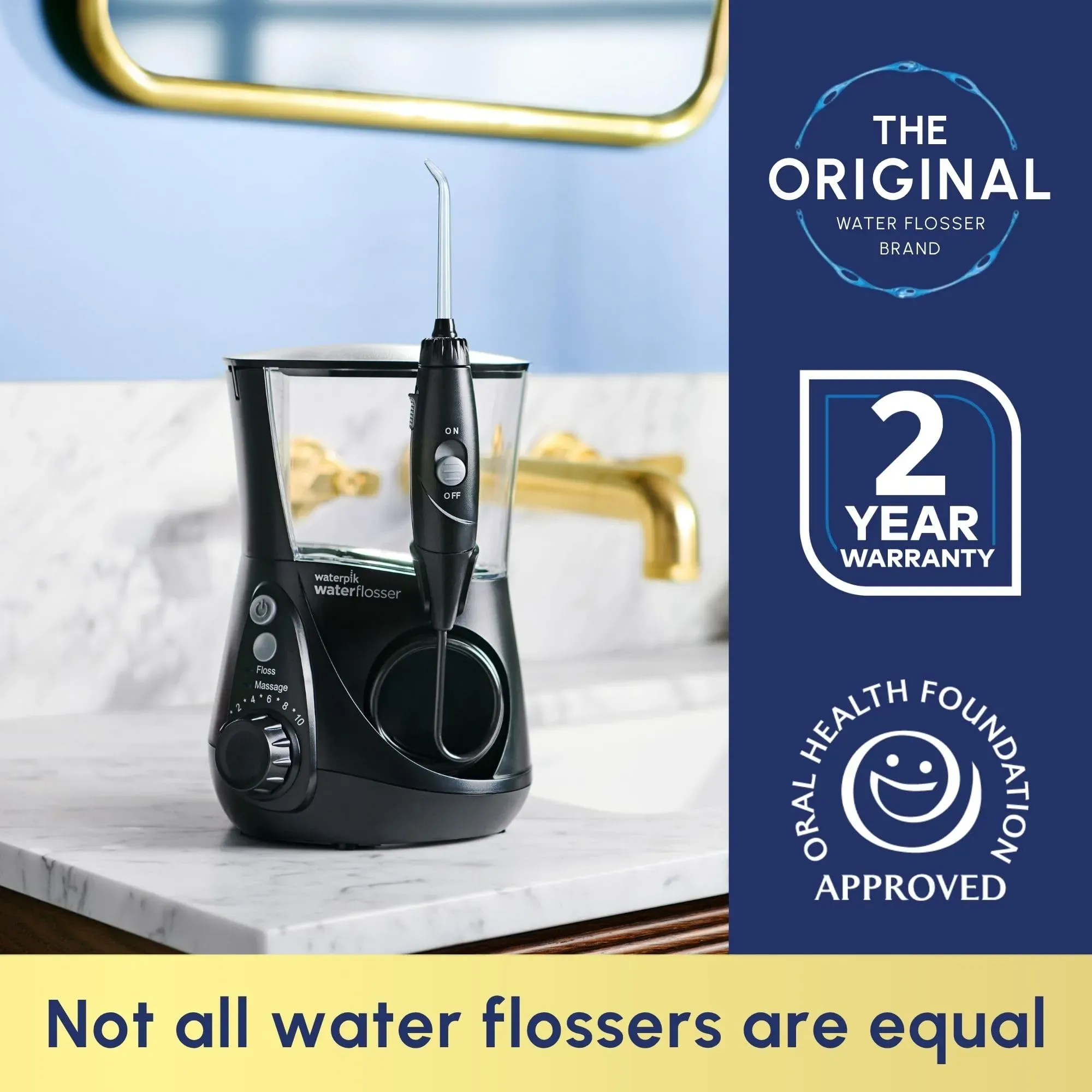
The brace-care baseline comes first
Fixed brackets and archwires make ordinary floss awkward, and trapped food around a bracket can make the mouth feel unclean even after brushing. NHS orthodontic guidance emphasises effective fluoride brushing and small interdental brushes under the wires. A water stream can be a useful additional step, but it should not displace those instructions.
If your orthodontic team has given a specific sequence or brush size, that individual advice outranks a buyer's guide. The aim is not to blast brackets; it is to make a careful routine easier to complete.
Four features that matter around fixed braces
- Orthodontic tip: verify that the exact box includes one and that replacements are available. The Waterpik manual describes gliding it along the gumline and lightly brushing around each bracket.
- Gentle control: start at a comfortable low setting and increase only within the manual and professional advice. A bigger maximum is not the buying goal.
- Reservoir and pause control: a methodical pass around every bracket takes time; easy pause and adequate water can prevent rushed gaps.
- Cleanable parts: the tank and handle need an honest drying and maintenance routine. A neglected device does not improve oral hygiene.
A practical brace routine to discuss with your team
- Brush above, on and below the brackets with fluoride toothpaste as instructed.
- Use the recommended interdental brush under the archwire and around bracket edges.
- Fill the flosser as directed, fit the correct tip and begin on a comfortable setting.
- Lean over the basin, follow the gumline and pause around each bracket without forcing the tip.
- Inspect in a mirror or use disclosing guidance from the clinic; a clean-looking stream does not prove every surface is plaque-free.
The separate guide on how to use a water flosser without making a mess owns splash control and basic operation.
When a new device is not the answer
A flosser cannot repair a loose bracket, diagnose swollen gums or reverse a white mark on enamel. Contact the orthodontic or dental team for persistent bleeding, pain, swelling, damaged appliances or cleaning that remains difficult despite instruction.
Do not repeat old percentage claims about plaque removal around braces unless a current independent source and matching conditions are provided. The evidence boundary is more important than a dramatic number.
Questions people ask
Can a water flosser replace interdental brushes with fixed braces?
Not by default. NHS orthodontic guidance specifically uses interdental brushes under wires; follow your orthodontic team's individual plan.
Which Waterpik tip is intended for braces?
Waterpik identifies its Orthodontic tip for braces and general use. Confirm that it is included and compatible with the exact model.
Should I use the highest pressure around brackets?
No. Start at a comfortable low setting and follow the model manual and your dental team's advice; maximum pressure is not the target.
What should I do if my gums keep bleeding around braces?
Arrange advice from your dentist or orthodontic team. A water flosser cannot diagnose or treat the cause of persistent bleeding.
Sources and evidence boundary
Sources checked 20 July 2026. NHS and systematic-review sources inform care boundaries; manufacturer sources identify product features and instructions, not independent clinical superiority. Guidance, models, prices and seller terms can change.