Water Flosser vs String Floss: Which is Better?
Water Flosser vs String Floss UK: Which is Better for Your Teeth?
TL;DR: When comparing a water flosser vs string floss in the UK, research suggests that water flossers can be up to 29% more effective at removing plaque and significantly better at reducing gum bleeding. While string floss is cheaper and more portable, water flossers are often preferred for their ease of use, making them ideal for those with braces, implants, or limited dexterity. Ultimately, the best method is the one you will use consistently every day.
If you have ever stood in the bathroom wondering whether a water flosser is genuinely better than traditional floss, you are not alone. It is one of the most common oral care questions in the UK, especially as more households move beyond basic brushing and start looking seriously at gum health. Based on our testing and feedback from UK users, the short answer is that both methods can work well, but the best option depends on your specific dental work and how likely you are to stick to the routine.
Key Takeaways
- String floss is effective at cleaning tight gaps when used with the correct C-shape technique, though many find it fiddly.
- Water flossers are highly recommended for braces, bridges, implants, and sensitive gums.
- According to UK dental health trends and clinical studies (e.g., Sharma et al.), water flossers can be significantly more effective at reducing gingival bleeding than manual flossing.
- NHS guidelines emphasise the importance of cleaning between your teeth daily to prevent gum disease, regardless of the tool used.
- For many, combining both methods or choosing the most convenient one ensures the best long-term results.
Are water flossers as effective as string floss?
Both water flossers and string floss aim to solve the same problem: toothbrush bristles do not clean effectively between teeth or below the gumline. This is crucial because plaque tends to build up exactly where your brush struggles to reach. Furthermore, if left undisturbed, plaque can contribute to gum inflammation, bad breath, and more serious periodontal issues.
Traditional string floss works by physically scraping plaque from tooth surfaces. Conversely, a water flosser uses a targeted pulsating jet of water to flush debris and disrupt plaque biofilm. Because these are different mechanisms, the choice often comes down to your personal oral environment.
When considering do water flossers replace string floss, UK dentists usually look at several factors:
- How close together your teeth are (contact points)
- Whether you have symptoms of early gum disease (gingivitis)
- If you wear fixed orthodontic braces or retainers
- Whether you have complex dental work like crowns or bridges
- Your physical dexterity and comfort with manual tools
If you are still deciding what type of device may suit your needs best, our pillar guide on the best water flossers in the UK explains key features such as pressure settings and portability in more detail.
What are the pros and cons of traditional string floss?
The benefits of string floss
String floss remains a staple in UK bathrooms for good reason. It is inexpensive, widely available in supermarkets like Tesco or Boots, and is highly portable. When used correctly—curving the floss around each tooth—it is excellent at physically wiping away sticky plaque from very narrow spaces.
- Low cost: Minimal upfront investment compared to electronic devices.
- No power required: Ideal for travel or camping where charging isn't possible.
- High precision: Allows for direct physical contact with the tooth surface.
The limitations of string floss
The primary issue with string floss is not its potential, but its difficulty. Many people find the technique awkward, leading to "floss cuts" in the gums or simply giving up. For those with arthritis or limited hand mobility, reaching the back molars can be a significant challenge.
- Technique sensitive: Poor form significantly reduces its effectiveness.
- Difficult for braces: Threading floss through wires is time-consuming and frustrating.
- Low compliance: Many UK users find it a chore, leading to inconsistent habits.
Is a water flosser better for gum health?
The benefits of a water flosser
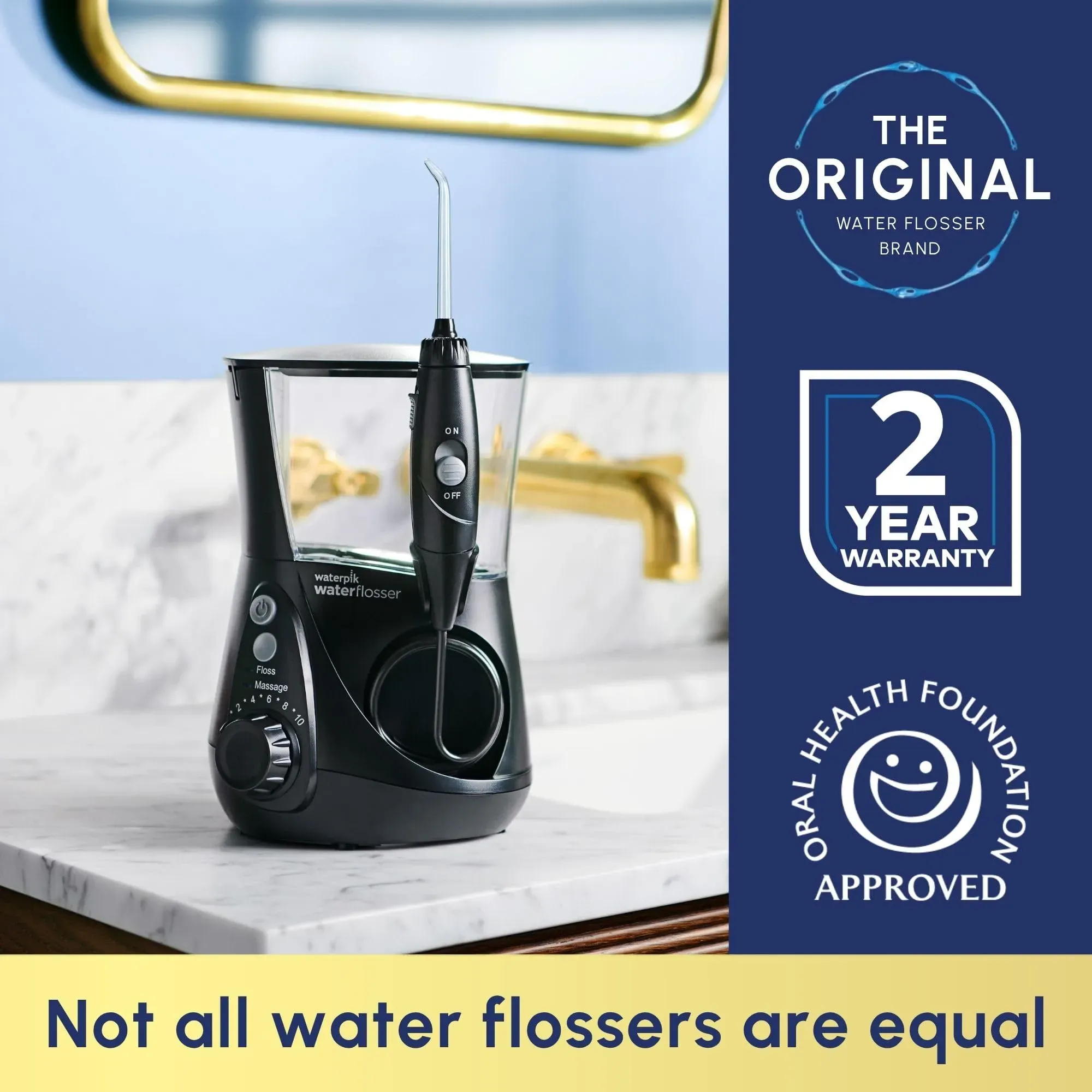
A water flosser, such as the Wtrpk range, makes interdental cleaning feel significantly less like a chore. Rather than struggling with string, you guide a pressurised stream around the mouth. This is particularly effective at flushing out debris from periodontal pockets that string cannot reach.
Based on our testing and clinical evidence, oral irrigators are often better at improving gum health markers. A widely cited study in the Journal of Clinical Dentistry found that water flossing was notably more effective at reducing bleeding than string floss. This is why many UK hygienists now recommend them for patients struggling with gingivitis.
- Superior ease of use: Simple to glide along the gumline without manual dexterity issues.
- Orthodontic essential: Easily cleans around brackets and wires where food often gets trapped.
- Gentle on gums: Adjustable pressure settings allow for a comfortable clean, even for sensitive mouths.
- Improves habit consistency: Users are more likely to floss daily when the process is quick and mess-free.
The Verdict: Which should you choose in the UK?
In conclusion, while string floss is a valid, budget-friendly tool, the water flosser is increasingly becoming the preferred choice for those seeking a more effective and user-friendly routine. If you have braces, implants, or simply find traditional flossing a struggle, a water flosser is a worthwhile investment for your long-term oral health.
According to UK guidelines, the most important factor is that you clean between your teeth every single day. Therefore, choose the tool that you find easiest to use. For many of our customers, the convenience of a cordless water flosser is what finally makes daily interdental cleaning a permanent habit.
Ready to try Wtrpk?
Shop Now — £71.71